Status of Global Physiology
2025 Status Report presented by the members of the Board of General Assembly of IUPS
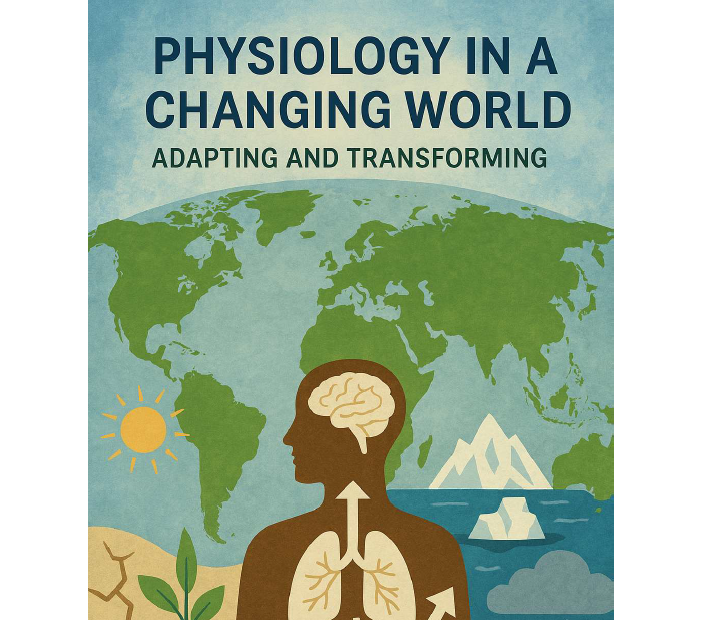
At the general assembly of IUPS 2025 speakers of the board of general assembly (BGA) presented the latest of IUPS quadrennial status reports on worldwide physiology. BGA members have been working very hard over two years to collect data from national societies , to compile them, and to make recommendations for the further development of physiology, based on the collected data. The report is completed with a number of short articles addressing highlights of physiological sciences.
A PDF-copy of the book can be downloaded here .
From the introduction:
“The title of this year’s report, Physiology: Adapting and Transforming in a Changing World” reflects that the last four years has been a time of remarkable change. The world successfully came through an incredible pandemic that significantly disrupted and changed our research and teaching activities. We are now faced with another incredibly impactful transformation – that of Artificial Intelligence – and again we must change to embed and leverage this technology. Just as our own physiological body systems adapt and transform to changes in the external environment, Physiologists have the capacity to change our modes of scientific and academic activities. However, though the report is about much more than just the impact of AI, the theme encourages thinking about future physiological research and potential adaptations needed in response to ongoing changes in our world, positioning the book as a forward-looking resource. The current report contains the results of a survey sent to the approximately 60 societies that comprise the IUPS, alongside a selection of accompanying articles that reflect on, or summarise, some of the significant events and changes over the past four years in specific areas of Physiology.”
In brief: recommendations of the 2025 status report
1. Societies should carefully track and report member numbers so that global trends in Physiology engagement can be more confidently quantified.
2. Societies deserve recognition for advancing outreach programs and online teaching resources. To improve access and inclusivity, the IUPS and larger organizations should consider a shared portal and further supporting smaller societies.
3. Member societies should ensure gender equity in council and other governance positions and have in place initiatives and/or policies that support equity, diversity and inclusivity of gender and minorities.
4. Societies should evaluate whether aspects of online and/or remote adaptations imposed by the pandemic improved the quality of physiology education. IUPS and member societies should disseminate and discuss these changes, to provide resources and guidelines for best practices in Physiology education.
5. Member societies should be encouraged to develop context-specific guidelines aligned with overarching global principles and policies to guide the ethical use of artificial intelligence in Physiology education and research.
6. Physiological societies in concert with IUPS should continue to highlight and support high-quality animal research models conducted using best practice approaches within the boundaries of accepted regulatory and ethical standards.
7. Member societies and IUPS should standardize research ethics guidelines aligned with international protocols, enhance ethics training and access to online resources and support, incentivize ethical practices and foster cross-institutional collaboration in
research ethics.
8. Member societies should improve their support for the publication of peer-reviewed research protocols and provide guidance and guidelines to their members for the publication of such protocols.
9. Member societies are encouraged to systematically track the career outcomes of graduates across various programs, especially given the limited availability of robust data in this area.
10. IUPS should enhance global impact by fostering international collaboration and mobility, expanding educational and mentorship initiatives and amplifying its visibility and advocacy to better engage member societies.
see also the recommendations of the 2017 IUPS-BGA report